ps88 | Exploring Simulation Games: The Evolution of Digital Reality
Simulation games have carved a unique niche in the vast landscape of video gaming, offering players the chance to step into meticulously designed worlds that replicate real-life systems and activities. From constructing cities to flying airplanes, simulation games have provided countless hours of entertainment while also educating players about complex processes and systems. This article explores the journey of simulation games, their evolution, and their continued appeal in the gaming community.
The concept of simulation games dates back to the early years of computer gaming, where developers sought to create digital environments that mirrored real-world scenarios. The aim was not just to entertain but to simulate real-life challenges and decision-making processes. Early titles like "SimCity" laid the groundwork for this genre, providing players with a sandbox to build and manage a city with various interconnected systems.
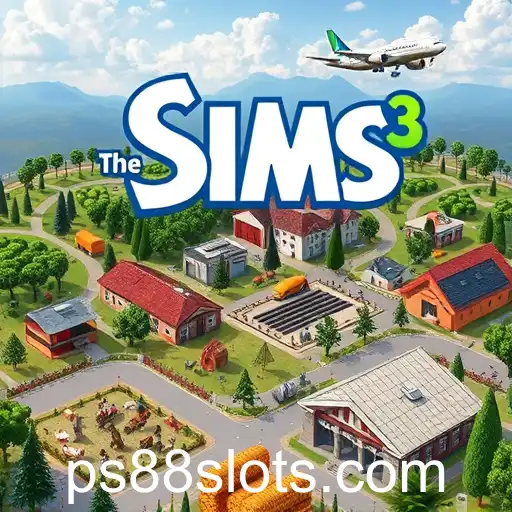
As technology advanced, so too did the complexity and realism of these games. Graphics improved, and with them, the ability to simulate more intricate systems. Games like "The Sims" allowed players to control the lives of virtual families, creating a deep connection between game and player as personal stories unfolded in digital homes. Flight simulators gained popularity by offering players an authentic cockpit experience, challenging them to navigate skies using real-world aerodynamics and controls.
Moreover, simulation games have provided a fertile ground for experimentation and education. Educational institutions and industries have adopted these games as tools for training and learning. Architectural students use building simulations to understand structural and aesthetic design, while businesses use simulations to teach management and strategy. This blend of gaming with education and real-world application has contributed significantly to the genre's growth and respectability.
In recent years, the introduction of virtual reality (VR) technology has further elevated the experience offered by simulation games. By placing players directly into a 3D-simulated environment, VR has made experiences more immersive than ever before. Pilots can train using VR flight simulators, while gamers explore virtual environments in a way previously unimaginable.
Despite their advancement and popularity, simulation games have maintained their core appeal: they provide a platform for creativity and learning. The ability to manage, create, and navigate through different scenarios gives players a sense of accomplishment and, frequently, insight into real-world operations.
In conclusion, simulation games have not only evolved technologically but have also broadened the scope of what video games can achieve. They stand out as both entertaining and educational experiences, continually adapting to advancements in technology and changes in player interests. As we look to the future, one can only imagine what new simulations will captivate our imaginations and enhance our understanding of the world in both digital and real spaces.
The Evolution of Online Gaming Platforms
A deep dive into the changing landscape of online gaming platforms in 2025, with a focus on the impacts and innovations emerging around PS88.
PS88 and the Rise of Digital Gaming Communities
Exploring the significance of PS88 in shaping digital gaming landscapes and fostering community connections.
The Rise of PS88 in Online Gaming
Exploring how PS88 has become a cornerstone in online gaming and eSports, shaping the industry's landscape.
Ps88: Exploring the New Era of Online Gaming
A comprehensive look at how Ps88 is shaping the future of online gaming in 2026, exploring trends and events that define this dynamic space.